
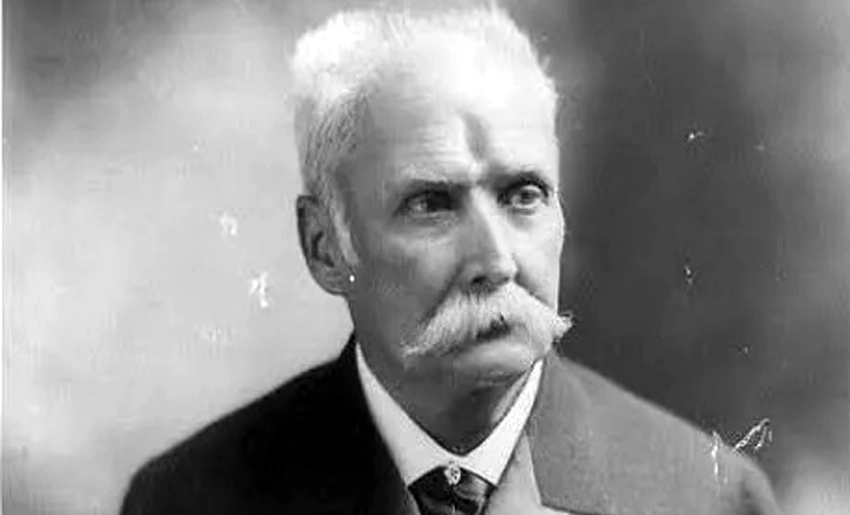
On December 11th, 1898, in the cold city of Washington, the life of one of the most formidable figures of the Cuban Wars of Independence came to an end: Major General Calixto García Íñiguez of the Liberation Army. He died at the age of 59, far from the island to which he had dedicated his life. His passing shook Cubans both at home and abroad, for he was one of those Mambí leaders whose entire existence seemed an oath of loyalty to the homeland.
From the dawn of the 1868 uprising in La Demajagua to the final days of the struggle. Amidst the 1898 U.S. intervention, Calixto’s name is forever linked to combat. He was not an occasional protagonist, but a man who, with weapons and strategy, accompanied virtually the entire cycle of the wars of Independence. Becoming a role model for generations of patriots.
Those who knew him describe him as a feared and respected leader. Possessing a bravery that commanded authority over both his subordinates and his enemies. He is remembered as a General of strict discipline and a profound sense of duty. But also as a person capable of acts of mercy and a singular sense of humor. Which eased the tensions of the camp amidst the harshness of the jungle.
In the popular imagination, the lion is the image that best fits his character. Despite having received little formal education in his childhood and youth. He developed a solid self-taught background that allowed him to become one of the most remarkable strategists of the conflict. That man with the star on his forehead, according to Martí’s famous definition, occupies a privileged place in national history and constitutes, for Holguin, a source of pride and an enduring emblem.
In a letter addressed to his fellow countrymen, he expressed his deep affection for those born, like himself, between the Marañón and Jigüe rivers. And conveyed his desire that the people of Holguin be known for their resilience. This statement encapsulates his profound connection to his homeland. If he could visit the city today, he would find a people facing constant challenges. Yet determined to never relinquish their ability to overcome daily obstacles.
Moreover the image of the General in the park that bears his name, in the very heart of the city, has become a daily reminder that defeat is not an option. For those born and raised in this part of Cuba, Calixto García has been part of their emotional landscape since childhood.
Some perceive him almost as a legendary figure, a marble guardian watching over the city. Others approach him as a flesh-and-blood hero, aware of the sacrifices involved in fighting for freedom and the tenacity required to uphold an ideal regardless of the circumstances.
The General’s correspondence reveals, time and again, the strong bond that united him to Holguin. It clearly demonstrates a deep affection for his birthplace and a constant concern for the fate of its people. More than a century after his death, the legacy of the General of the Three Wars remains a point of reference for those who consider themselves worthy heirs of their land. His example continues to inspire responsibility, courage, and commitment to Cuba.
By: Jorge Alejandro Fernández Pérez

- Bandec Training for Economic Actors Concludes in Holguin - 12 de March de 2026
- Medical Students Strengthen Primary Healthcare in Holguin - 11 de March de 2026
- Film Outreach in Holguin with Community Screenings - 11 de March de 2026