
Cuba continues its fight against arboviruses (diseases transmitted by arthropods). The current fundamental health problem in the Caribbean country, stated Dr. Carilda Peña García, Deputy Minister of Public Health.
During a press conference this Monday at the Ministry’s headquarters in Havana. The official explained that the dengue virus continues to circulate in Cuba. With an increase in patients diagnosed with serotype 4.
At the end of the week, the fever had increased compared to the previous seven days. Also with a total of 109 Cuban municipalities reporting increased medical care for this cause (nonspecific fever syndrome).
Peña also emphasized that due to the rise of unspecific fever syndrome (UFS). The health authorities have expanded rapid diagnostic testing in a group of hospitals for cases with serious signs that require more specific care.
In this regard, the doctor stressed the importance of patients not staying home and going to the appropriate health centers for timely care.
The Cuban provinces most affected by this epidemiological situation last week were Guantanamo, Matanzas, Sancti Spiritus, Ciego de Avila, and Villa Clara. Which showed the highest rates of suspected dengue cases.
Regarding chikungunya, Peña noted that transmission of this virus continues, having affected the national territory since July. After its introduction through the municipality of Perico, in the western province of Matanzas.
Almost the entire country, she said, has cases of the disease. Although the regions of Mayabeque, Isla de Juventud, and Las Tunas do not show significant circulation of the virus, she noted.
Regarding oropouche, the deputy minister explained that there were no diagnosed cases of this condition last week. But clinical, epidemiological, and laboratory surveillance continues.
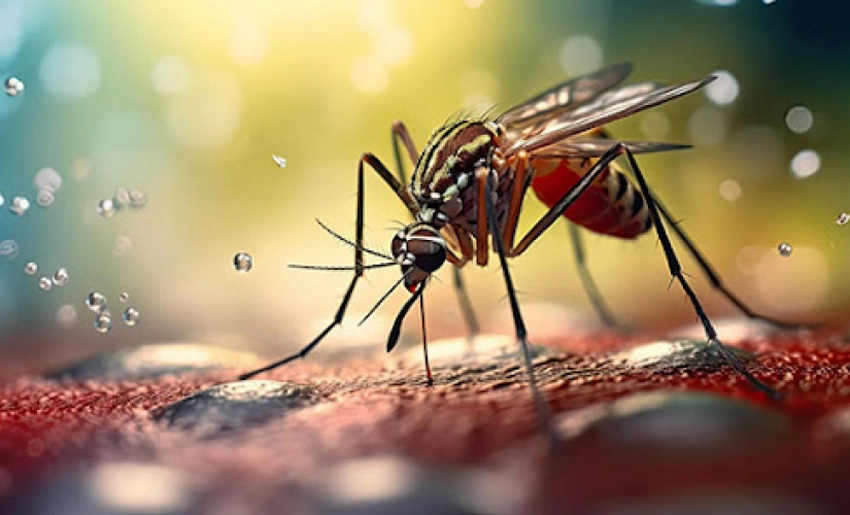
Meanwhile, there is no strong evidence of the circulation of this disease in any specific territory. Currently, the expert emphasized, all Cuban provinces are carrying out intensive adulticidal treatment to control the Aedes aegypti mosquito and to curb the transmission of arboviruses.
In addition to the fumigation vehicles, eight army vehicles are also working to control the adult vector in several regions, the health official noted. Deputy Minister Peña also highlighted the decrease in cases of acute respiratory infections in Cuba. Commenting on the decrease in medical care for this cause.
With information from Prensa Latina

- Cuba Defends Its Independence and Sovereignty Against Threats - 18 de March de 2026
- Holguin bets on energy sovereignty through renewable sources - 18 de March de 2026
- Venezuela Wins Its First World Baseball Classic - 18 de March de 2026